
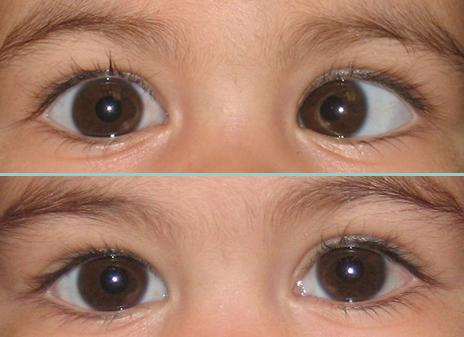
Squint surgery
Squint (Strabismus) is a condition in which the eyes are not properly aligned and may turn inward, outward, upward, or downward. It can affect both children and adults and may lead to vision problems, including double vision or lazy eye (amblyopia) if not treated on time. Squint surgery is performed to correct eye alignment, improve binocular vision, and enhance appearance and confidence.
What is Squint (Strabismus)?
Squint occurs when the eye muscles do not work together properly, causing one eye to look straight while the other deviates.
Types of Squint
- Esotropia – Eye turns inward
- Exotropia – Eye turns outward
- Hypertropia – Eye turns upward
- Hypotropia – Eye turns downward
Symptoms of Squint
- Misalignment of one or both eyes
- Double vision (in adults)
- Closing one eye in bright light
- Poor depth perception
- Eye strain or headaches
Our Squint Treatment Services
- Comprehensive squint evaluation
- Vision testing and eye muscle assessment
- Glasses or prism correction (if required)
- Lazy eye (amblyopia) therapy
- Squint correction surgery
- Post-surgery vision therapy
What Happens in Squint Surgery?
- Eye muscles are adjusted to improve alignment
- No removal of the eyeball (safe procedure)
- Usually performed under anesthesia
- Day-care surgery (same-day discharge)
Benefits of Squint Surgery
- Proper alignment of the eyes
- Improved binocular (3D) vision
- Reduced double vision
- Better appearance and confidence
- Prevents long-term vision problems
Recovery & Results
- Mild redness or discomfort for a few days
- Most patients resume normal activities within a week
- Vision improvement depends on condition severity
- Follow-up visits ensure proper healing
Why Choose Us? 🏥
Our hospital offers advanced squint treatment with experienced specialists and modern techniques. We ensure safe surgery, accurate alignment, and personalized care for both children and adults.