
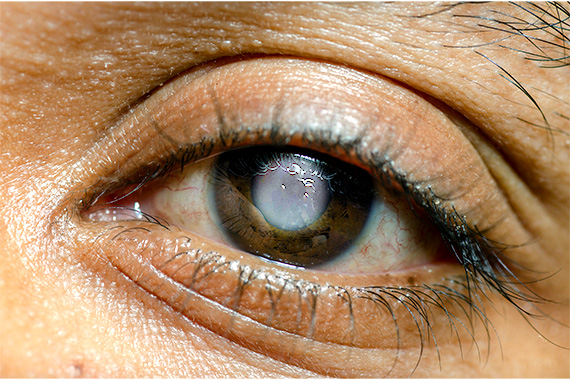
What is Retina Care?
The retina is the light-sensitive layer at the back of the eye responsible for capturing what you see and sending that signal to the brain. Retina diseases like diabetic retinopathy, retinal detachment, and age-related macular degeneration can lead to vision loss if not treated on time, and some, like retinal detachment, are medical emergencies that need prompt attention.
What is Glaucoma?
Glaucoma is a group of eye conditions that damage the optic nerve, often (though not always) due to high pressure inside the eye. It is known as the "silent thief of sight" because in its most common form, it progresses gradually with no pain and no early symptoms — peripheral (side) vision is usually affected first, so many people do not notice anything is wrong until significant damage has already occurred. This is why routine eye pressure checks matter even when vision feels normal.
Diagnosis and Monitoring
Retina and glaucoma conditions are diagnosed and tracked using tests such as OCT (optical coherence tomography) imaging, visual field testing, eye pressure measurement, and a dilated examination of the retina and optic nerve. Because both conditions can be silent in their early stages, monitoring over time — not just a single test — is often what allows the doctor to catch changes early.
Treatment Approaches
- Retina laser treatment
- Intravitreal injections
- Vitrectomy surgery
- Glaucoma pressure management (eye drops, laser or surgery)
- Advanced diagnostic imaging (OCT)
- Regular monitoring and follow-up care
The right treatment depends on the specific condition, how advanced it is, and the patient's overall eye health — the doctor will explain the options after a complete evaluation.
Symptoms to Watch
Blurred vision, floaters, sudden flashes of light, eye pain, a curtain-like shadow across vision, sudden vision loss, or difficulty seeing at night can indicate retina or glaucoma problems. Sudden flashes, floaters, or a shadow in your vision should be treated as urgent and evaluated as soon as possible.
Why Early Treatment is Important?
With both retina disease and glaucoma, vision lost to the disease usually cannot be recovered — treatment is aimed at preserving the vision that remains and preventing further damage. Regular eye check-ups are essential, especially for diabetic patients, people over 40, and those with a family history of glaucoma.